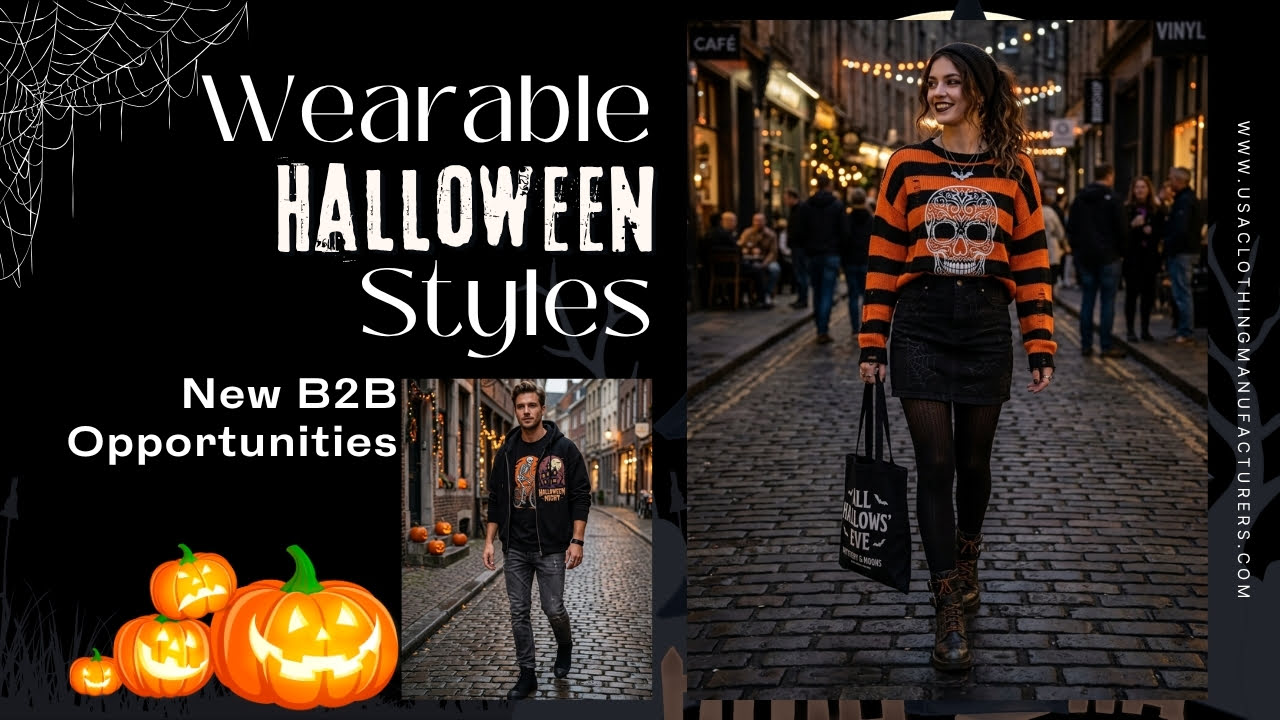
Why Wearable Halloween Styles Are Opening New B2B Opportunities?
September 26, 2026

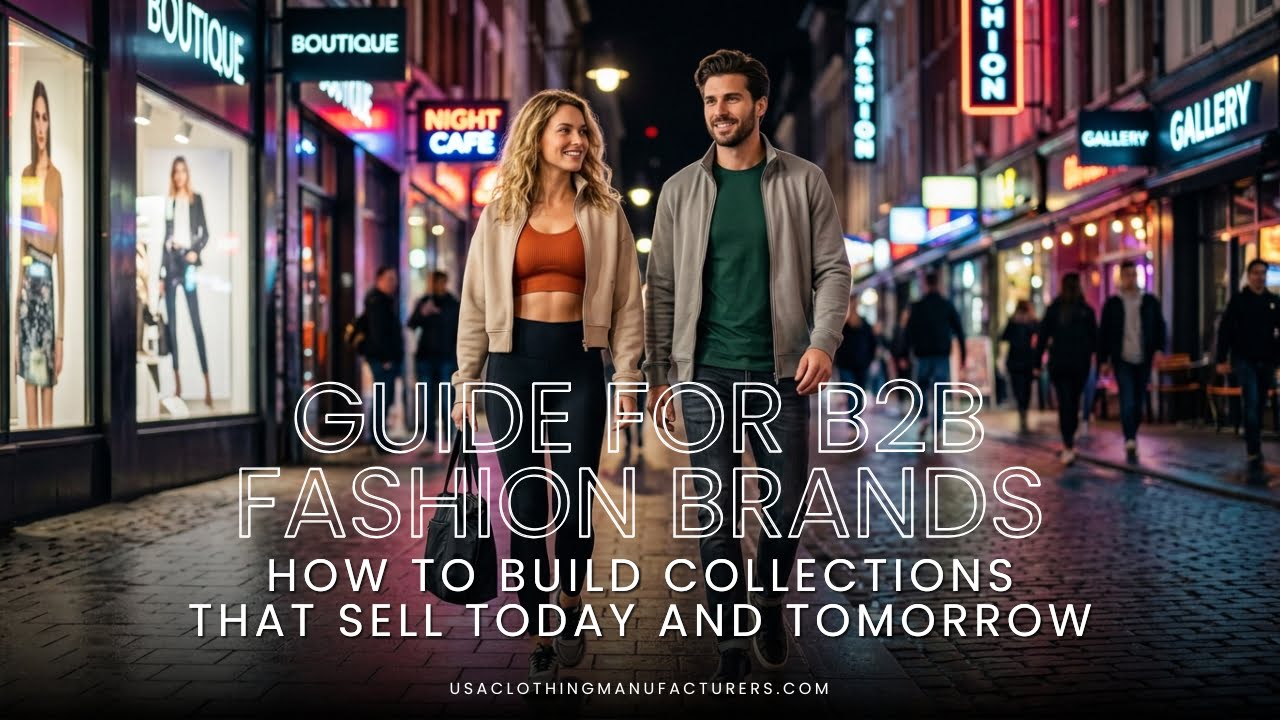
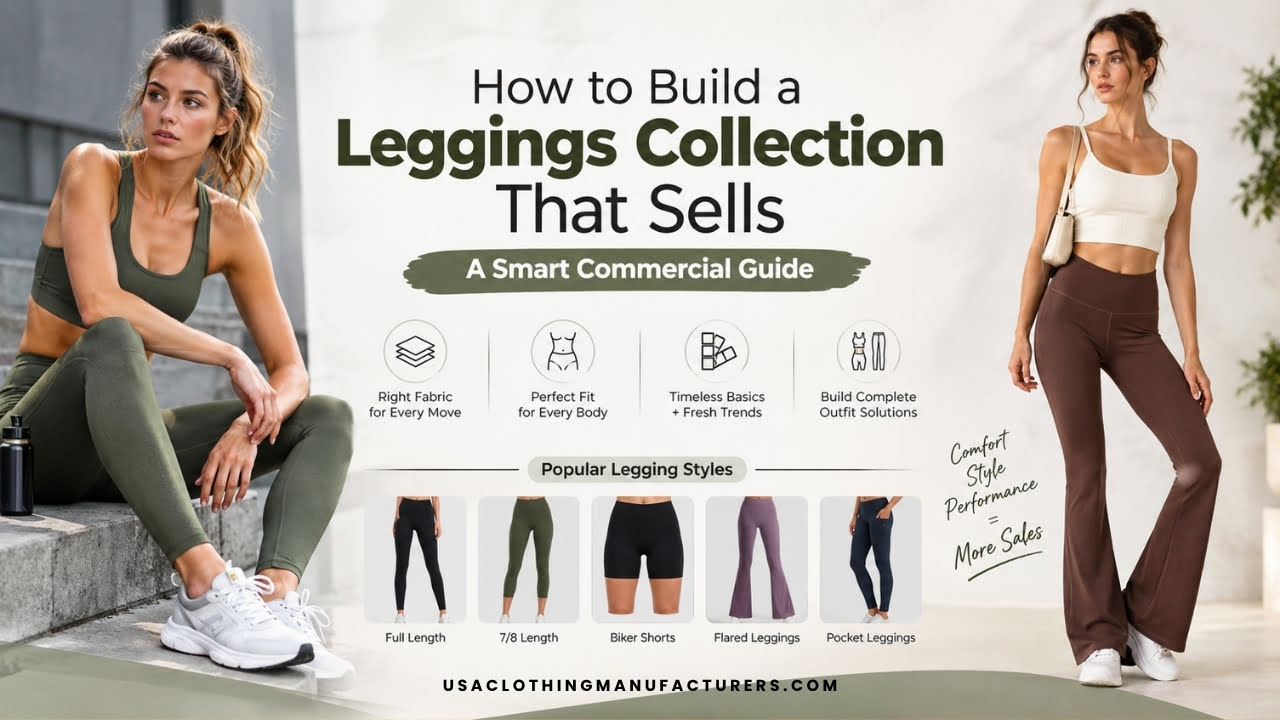
When it comes to B2B fashion brands, what goes into building a successful collection? It is not only about following the latest runway or social media trend. Customers need items that feel current. However, you can also find them looking for reliable styles that can sell consistently, season after season. Naturally, core products and trend pieces need to be balanced. It is one of the top decisions for fashion brand owners. Here is a guide that will help you to create fantastic collections that sell today as well as tomorrow.
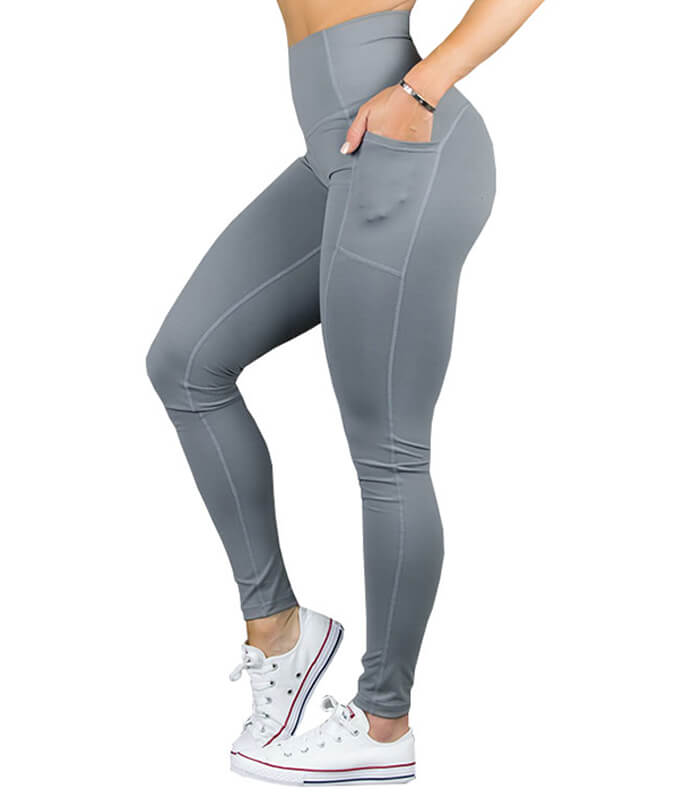
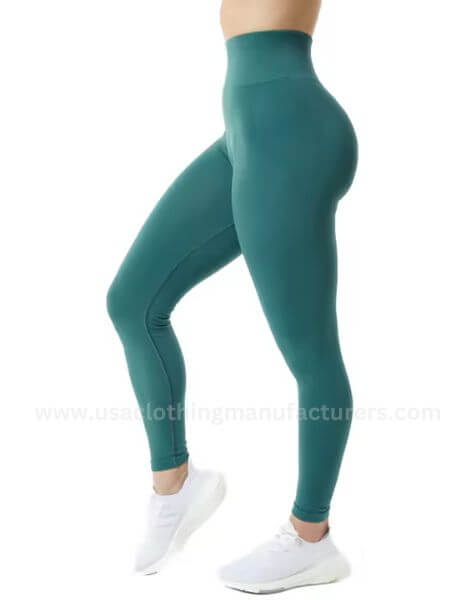
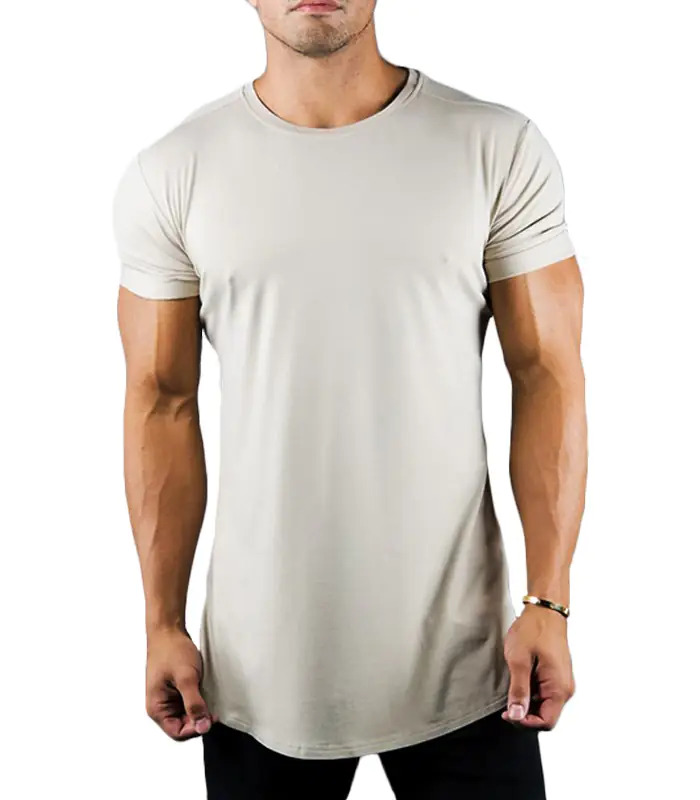
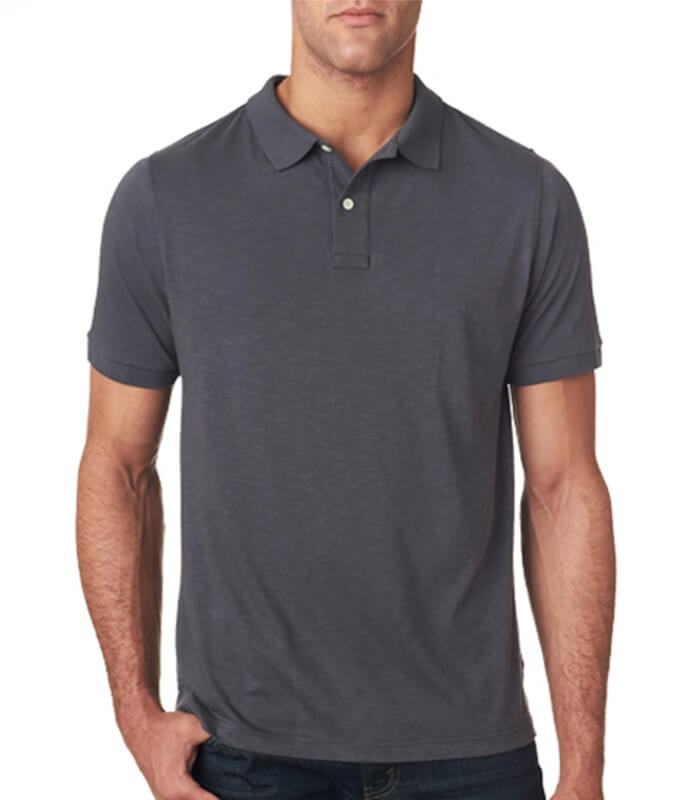
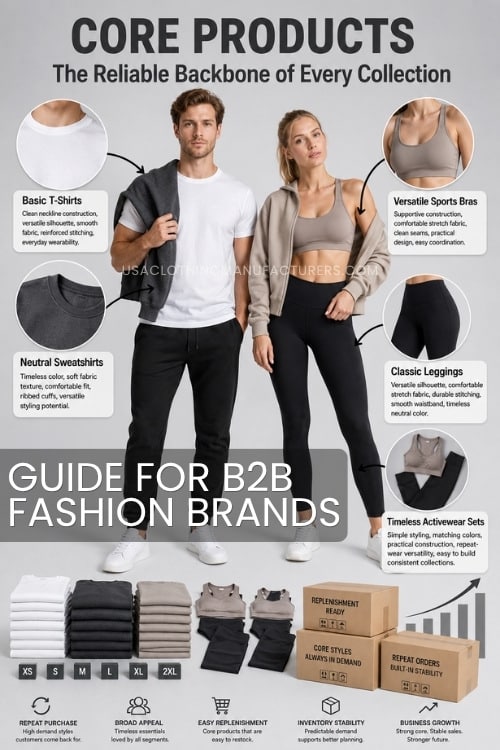
Keep in mind that core products are all those styles that consumers will love to go back to during every season. You can think of:
Generally, such types of products have proven demand. These stand out with practical designs. You can find that they have broad customer appeal. Core products can ensure predictable sales for B2B brand owners. It can help owners maintain steady relationships with distributors and retailers. It can also help customers to replenish successful styles without taking a lot of risks. If you try to create a collection without strong core products, it can look exciting on the surface. However, you cannot expect commercial stability.
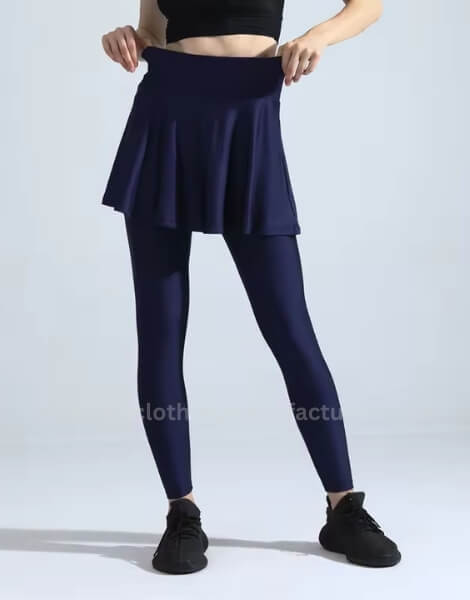
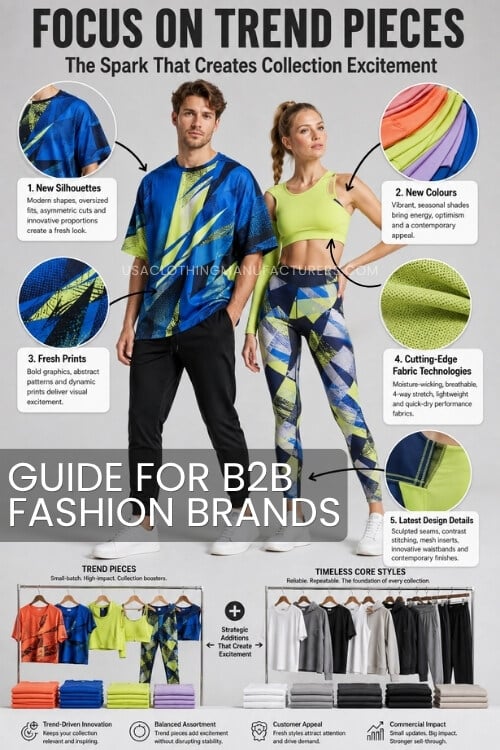
You can add energy to your collection with trend-led products. How to make buyers stop and pay attention? You can play with:
However, trends can have short lifecycles. B2B brands can use them strategically, rather than allowing trends to dominate the entire range, to complement established products.
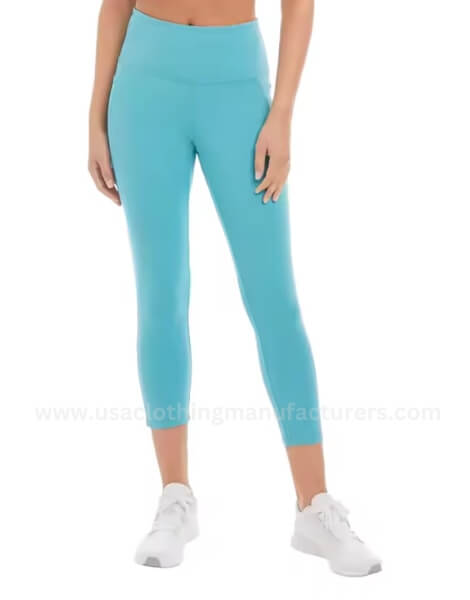
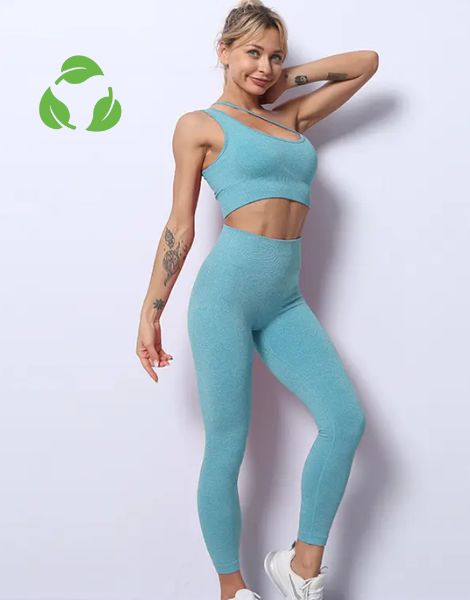
For instance, a classic activewear brand might introduce a few pieces. These can feature an updated silhouette or a trending color, instead of just changing the direction of its products.
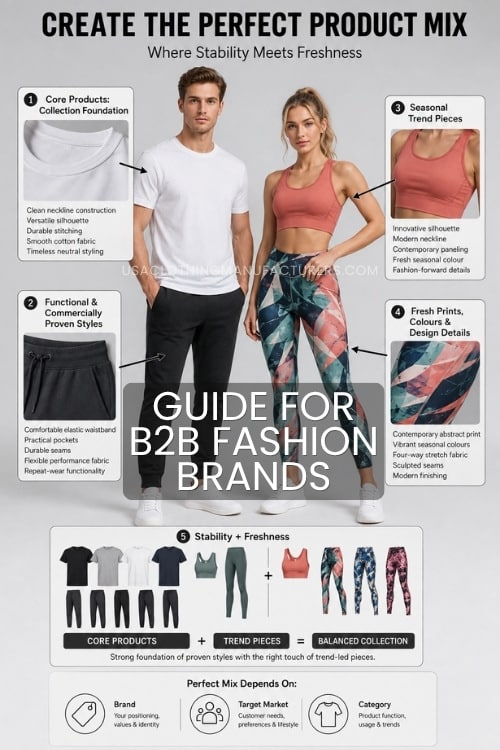
You can provide your customers with a sense of both familiarity and discovery when you provide them with a balanced product mix. It will be a good idea to form the foundation with core products. You can generate seasonal interest with trend pieces.
The exact ratio depends on:
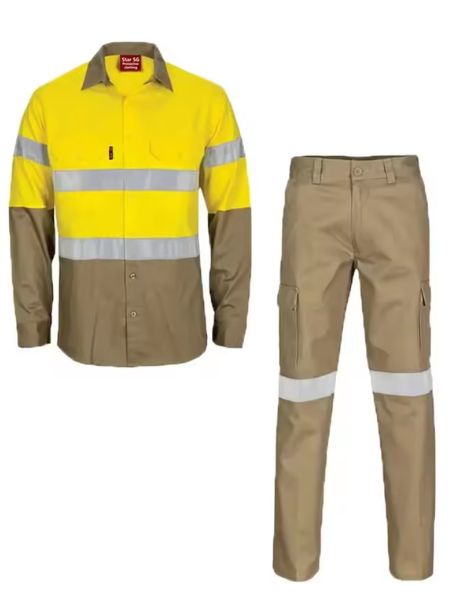
Core styles may be better for brands that have to sell highly functional workwear. However, a fashion-forward activewear label may dedicate more space to seasonal designs. It is a good idea to enhance your collection with trendy products. Do not try to overshadow commercially proven products.
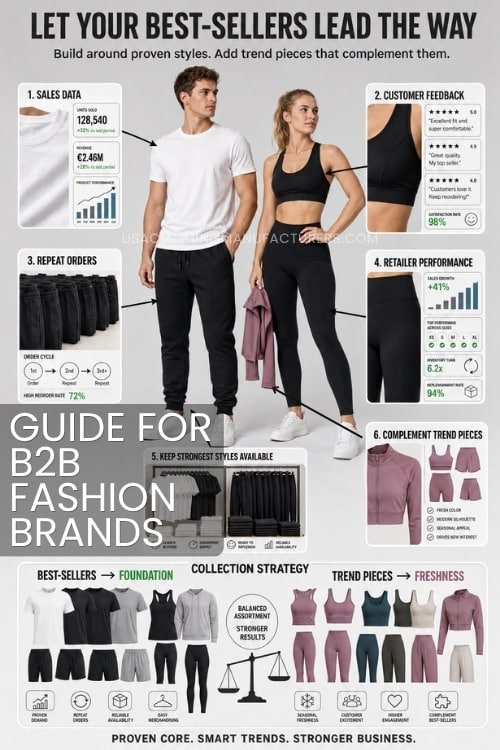
Core styles are proven in their effectiveness. These can easily carry the collection. But how do you know which products deserve continued attention? You can understand that through an analysis of:
Do not try to replace successful products every season. Why do that? You can keep your strongest styles available in all seasons. At the same time, you may also introduce complementary trend pieces around those styles. With this approach, you can make it easier for B2B buyers to understand your collections. You can also create merchandise more easily.
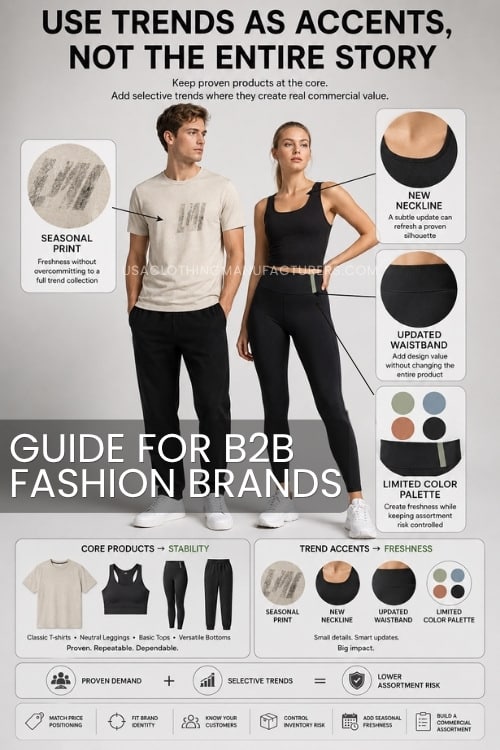
In a commercial B2B collection, not every trend deserves a spot. As a retailer or a fashion brand owner, you have to assess whether a trend matches your price positioning, identity, product category, and customers.
For a selective approach, you can introduce:
This can provide your consumers with something fresh. Do not compel them to commit to products with uncertain long-term demand.
For a commercially strong collection, there should be enough space to evolve. As a brand owner, you need to detect which trend pieces can turn into future core products. You have to monitor:
You can create a continuous product-development cycle in this way.
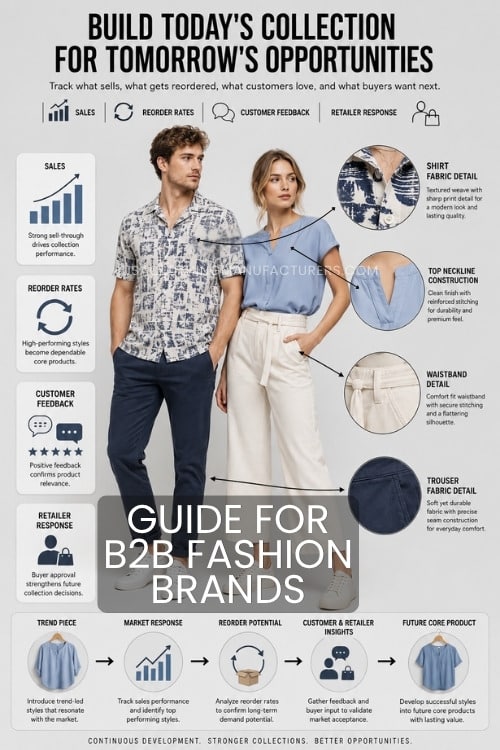
If you want to create collections that stay relevant, these are the strategies that you need to follow. You can ensure stability with core products. However, you can ensure differentiation and excitement with carefully selected trends. Source your supplies from a top clothing manufacturer who knows when to follow a trend, when to adapt it, and when to stay timeless.
September 26, 2026
September 11, 2026